Cellular Aging and Senescence Modulation
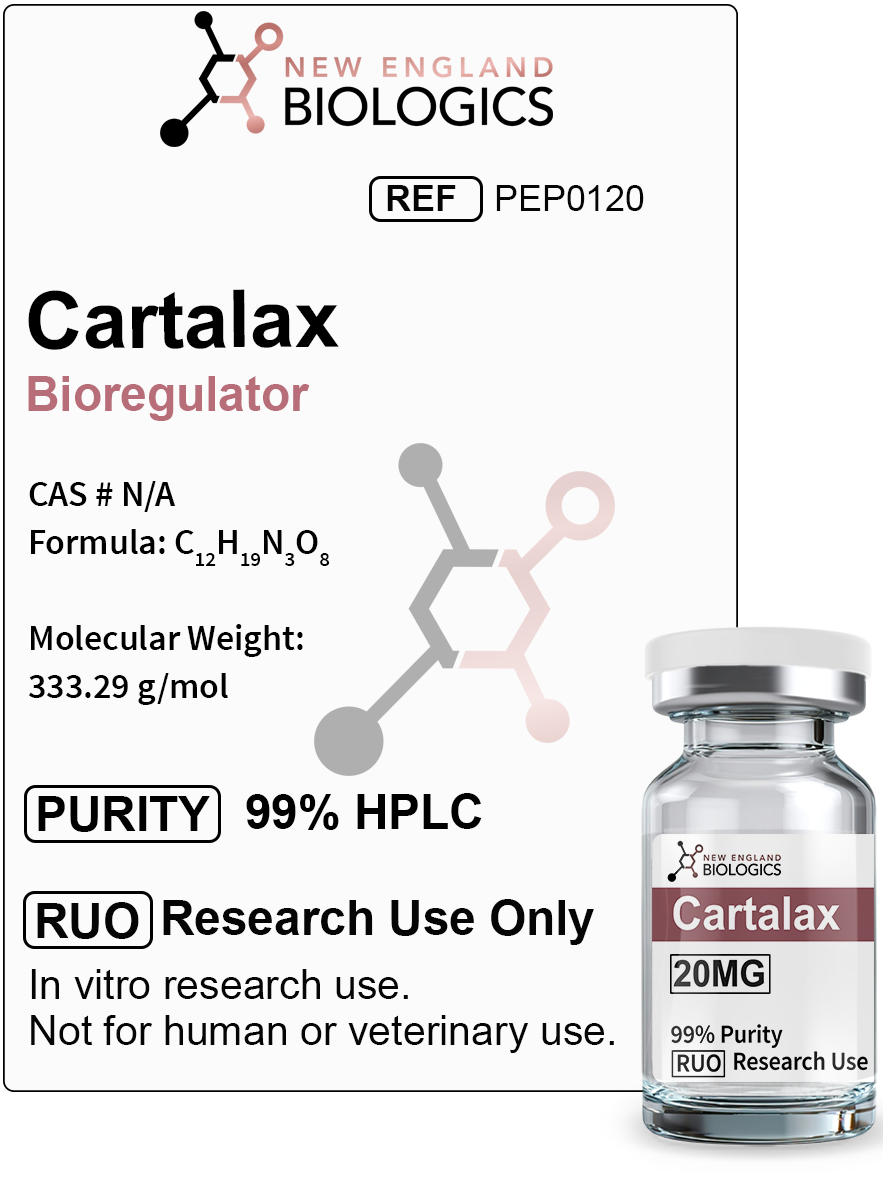
Research demonstrates Cartalax significantly modulates markers of cellular senescence in multiple tissue types. In renal epithelial cell cultures, studies show the peptide decreases expression of aging-associated markers including p16, p21, and p53—proteins that regulate cell cycle arrest and senescence pathways. Simultaneously, Cartalax increases levels of SIRT-6 (sirtuin-6), a protein linked to DNA repair mechanisms and longevity pathways. This bidirectional effect suggests the peptide actively counteracts cellular aging processes rather than simply suppressing individual markers.
In human skin fibroblast studies published in Bulletin of Experimental Biology and Medicine, Cartalax enhanced expression of Ki-67 (a proliferation marker) and CD98hc (a regeneration-associated glycoprotein) during replicative aging in culture. These findings indicate the peptide maintains cellular proliferative capacity even as cells undergo natural aging processes. The peptide's ability to modulate both pro-aging and pro-longevity pathways simultaneously represents a comprehensive approach to cellular rejuvenation.
Studies investigating the molecular mechanisms reveal Cartalax interacts directly with DNA sequences, specifically binding to minor groove regions such as d(ATATATATAT)2. This interaction influences gene expression patterns tied to cellular senescence, providing a mechanistic explanation for the peptide's broad effects on aging pathways. The magnitude of gene expression changes (1.6-fold to 5.6-fold increases in key longevity-associated genes) suggests substantial cellular reprogramming capacity.
Sources:
Tissue Repair and Extracellular Matrix Regulation
Cartalax demonstrates significant effects on extracellular matrix (ECM) homeostasis and tissue repair processes. Research published in Bulletin of Experimental Biology and Medicine shows the peptide inhibits matrix metalloproteinase-9 (MMP-9), an enzyme responsible for ECM degradation that increases during aging. Elevated MMP-9 activity accelerates breakdown of structural proteins including collagen and proteoglycans, contributing to tissue deterioration. By suppressing MMP-9 synthesis, Cartalax helps maintain ECM integrity and prevents excessive tissue remodeling.
The peptide actively stimulates synthesis of critical structural proteins. Studies demonstrate Cartalax activates production of collagen type I in human skin fibroblasts during replicative aging, directly supporting tissue structure and resilience. Additionally, the peptide enhances expression of sirtuins (particularly SIRT-1 and SIRT-6), which regulate numerous cellular processes including inflammation control, metabolic function, and stress resistance.
In wound healing studies using aged animal models, application of cartilage-derived peptide bioregulators (including Cartalax as an active component) to excision wounds stimulated and optimized reparative processes. Morphological analysis revealed active granulation tissue development occurring significantly earlier in treated subjects (day 14 post-injury) compared to controls (days 21-28). Electron microscopy demonstrated increased functional activity of fibroblast organelles, indicating enhanced cellular metabolism supporting tissue regeneration.
Cartalax's tissue-protective effects extend to reducing caspase-3 activity, a critical enzyme in programmed cell death (apoptosis). Research shows the peptide suppresses caspase-dependent apoptosis that increases during cellular aging, allowing cells to maintain viability and function under stress conditions. This anti-apoptotic effect, combined with enhanced ECM production, creates an environment conducive to tissue preservation and repair.
Sources:
Cartilage Health and Chondrogenic Differentiation
Research published in International Journal of Molecular Sciences identifies Cartalax as a component of polypeptide complexes isolated from cartilage tissue that regulate chondrogenic (cartilage-forming) differentiation of mesenchymal stem cells (MSCs). The directed differentiation of MSCs into chondrocytes represents a promising approach for treating osteoarthritis and cartilage degeneration. Studies demonstrate peptides like Cartalax regulate critical signaling pathways involved in this process, including the WNT, ERK-p38, and Smad 1/5/8 pathways.
Cartalax influences expression of genes essential for chondrogenic differentiation, including COL2 (type II collagen—the primary collagen in cartilage), SOX9 (a master transcription factor for chondrogenesis), and ACAN (aggrecan—a major proteoglycan providing cartilage with compressive resistance). By modulating these chondrogenic markers, the peptide promotes development of functional cartilage tissue from stem cell precursors.
The peptide's structural similarity to type XI collagen sequences is particularly relevant for cartilage applications. Type XI collagen plays a key role in organizing the fibrillar structure of type II collagen within cartilage matrix. Research suggests Cartalax may mimic or stabilize portions of collagen structure, potentially enhancing tissue resilience under mechanical stress—particularly important in weight-bearing joints like knees, spine, and hips where cartilage undergoes constant loading.
A polypeptide complex from calf cartilage containing Cartalax as an active component is currently in Phase II clinical trials in Russia for osteoarthritis treatment, indicating progression toward therapeutic applications. The peptide's ability to regulate both stem cell differentiation and mature chondrocyte function positions it as a dual-action agent for cartilage preservation and regeneration.
Sources:
Inflammatory Response Modulation
Studies demonstrate Cartalax modulates inflammatory signaling pathways critical for tissue homeostasis and aging processes. Research shows the peptide reduces synthesis of inflammatory response factors including interleukin-1 (IL-1), transforming growth factor-beta (TGF-β), and nuclear factor kappa B (NF-κB) in human skin fibroblasts during replicative aging. Elevated levels of these inflammatory mediators are associated with chronic low-grade inflammation ("inflammaging") that accelerates tissue deterioration and contributes to age-related diseases.
By suppressing pro-inflammatory cytokine production, Cartalax helps maintain a more balanced inflammatory environment conducive to tissue repair rather than chronic damage. The peptide's effect on NF-κB is particularly significant, as this transcription factor regulates expression of numerous inflammatory genes and plays a central role in the inflammatory cascade. Downregulation of NF-κB activity reduces production of downstream inflammatory molecules, potentially preventing the self-perpetuating inflammatory cycles that characterize aging tissues.
The peptide's anti-inflammatory effects complement its pro-regenerative properties, creating conditions favorable for tissue maintenance and repair. Research indicates this dual action—simultaneously reducing inflammatory damage while enhancing regenerative capacity—may explain the peptide's observed effects on wound healing and tissue preservation in aging models.
Cartalax's influence on sirtuin expression also contributes to inflammatory modulation. Sirtuins, particularly SIRT-1 and SIRT-6, regulate inflammatory responses through deacetylation of NF-κB and other inflammatory mediators. By increasing sirtuin expression, Cartalax activates endogenous anti-inflammatory pathways that operate through multiple mechanisms beyond direct cytokine suppression.
Sources:
Disclaimer: The research articles listed above are for informational purposes only.
This product is intended for research use only and not for human or veterinary use.